The hidden cost of waste infrastructure.
The same nutrient that pollutes your waterways is the one farmers need.
Over 20,000 lagoon systems are failing EPA nitrogen and phosphorus limits. At the same time, U.S. farmers spend $25B+ a year on synthetic N-P-K derived from natural gas — a price-volatile input that degrades soil over time.
Airbuild Biopod converts the first problem into the solution for the second.
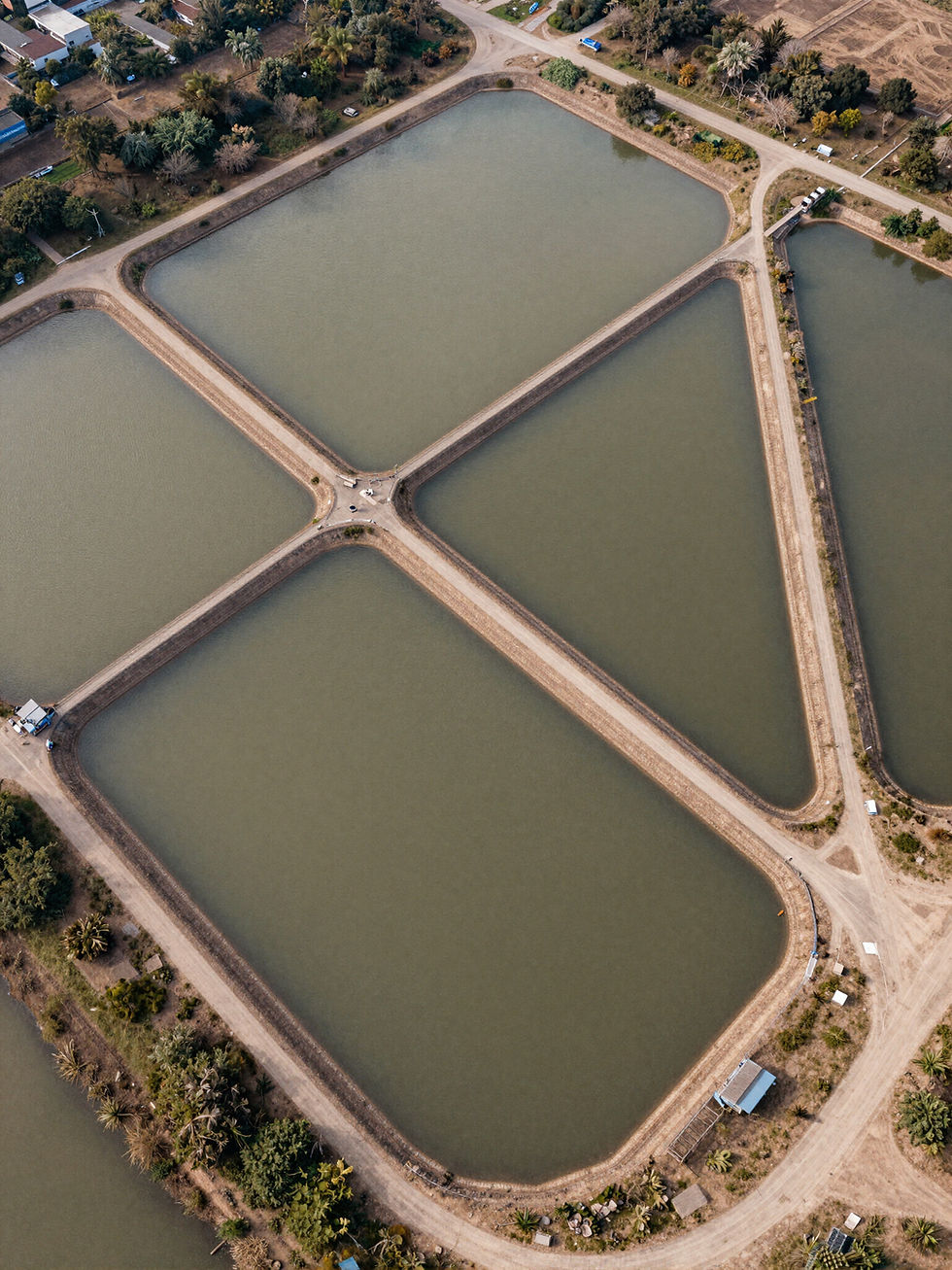
How Biopod Works
IV. Biochar + NP Fertilizer Produced

After all grime is removed from water, the algae biomass, with all the sequestered carbon produced in the biopod, gets heated up to extreme temperatures in the absence of oxygen, producing biochar.
II. Algae Uptake

Autonomous algae raceways absorb nitrogen and phosphorus directly from the wastewater — no chemicals, no energy-intensive aeration. Physical AI continuously monitors and adjusts nutrient balance. As the algae grows, it captures and stores carbon in its biomass.
III. Clean Water Returned

Your effluent exits clean and EPA-compliant. The algae-infused biochar — packed with the nitrogen and phosphorus recovered from your wastewater — becomes a certified slow-release fertilizer sold directly to farmers. It releases N-P into soil over 2–5 years, reducing synthetic fertilizer dependency by 20–40%. Each ton also generates verified carbon removal credits via Isometric MRV.
I. Water In

The Pod takes in water that contains heavy metals, PFAs, excess nitrogen, microplastics, and more from sewer lagoon or other polluted water source.
Municipalities + Industry

Infrastructure Revitalization
Airbuild algae pods integrate directly into municipal sewage lagoons and water reservoirs, purifying urban water systems without the need for additional land or heavy industrial builds.

Measure Your Impact
Estimate the environmental and economic value our algae pods bring to your municipality. Quantify water purification, carbon sequestration, and biochar yield in seconds.